Screen a submitted portrait

Inspect the original portrait for source fields before asking the contributor how it was made. Treat the report as a lead for a conversation, not proof about the person.
Run AICheck metadata, watermark, and C2PA evidence checks in your browser. The result reports a numeric evidence score, not certainty or proof of authenticity.
PNG, JPEG, or WebP · maximum 20 MB · you can also paste an image
Use the original download when possible. Screenshots and re-saved files can lose useful evidence.
This checks retained evidence, not whether a picture is true. No signals does not mean human-made.
This work happens locally in your browser.
This check is taking longer than usual. You can keep waiting or cancel and choose another image.
Preview views are exploratory only and do not affect the evidence score.
Choose a PNG, JPEG or WebP. The check runs locally without sign-in or credits.
Read metadata, credential status and pixel clues separately.
Review explanations and save JSON if needed. Signals do not prove authenticity.

This known AI-generated illustration returned no signals, score 0 and an inconclusive result in the actual local scan. No detected evidence does not mean the image was made by a person.
Inspect the original portrait for source fields before asking the contributor how it was made. Treat the report as a lead for a conversation, not proof about the person.

Check a product image before adding it to a media library. Record the available metadata and keep the supplier’s original files and explanation alongside it.

Look for retained provenance signals in an event image, then verify the event through its source and other reporting. This tool cannot establish that a pictured event happened.
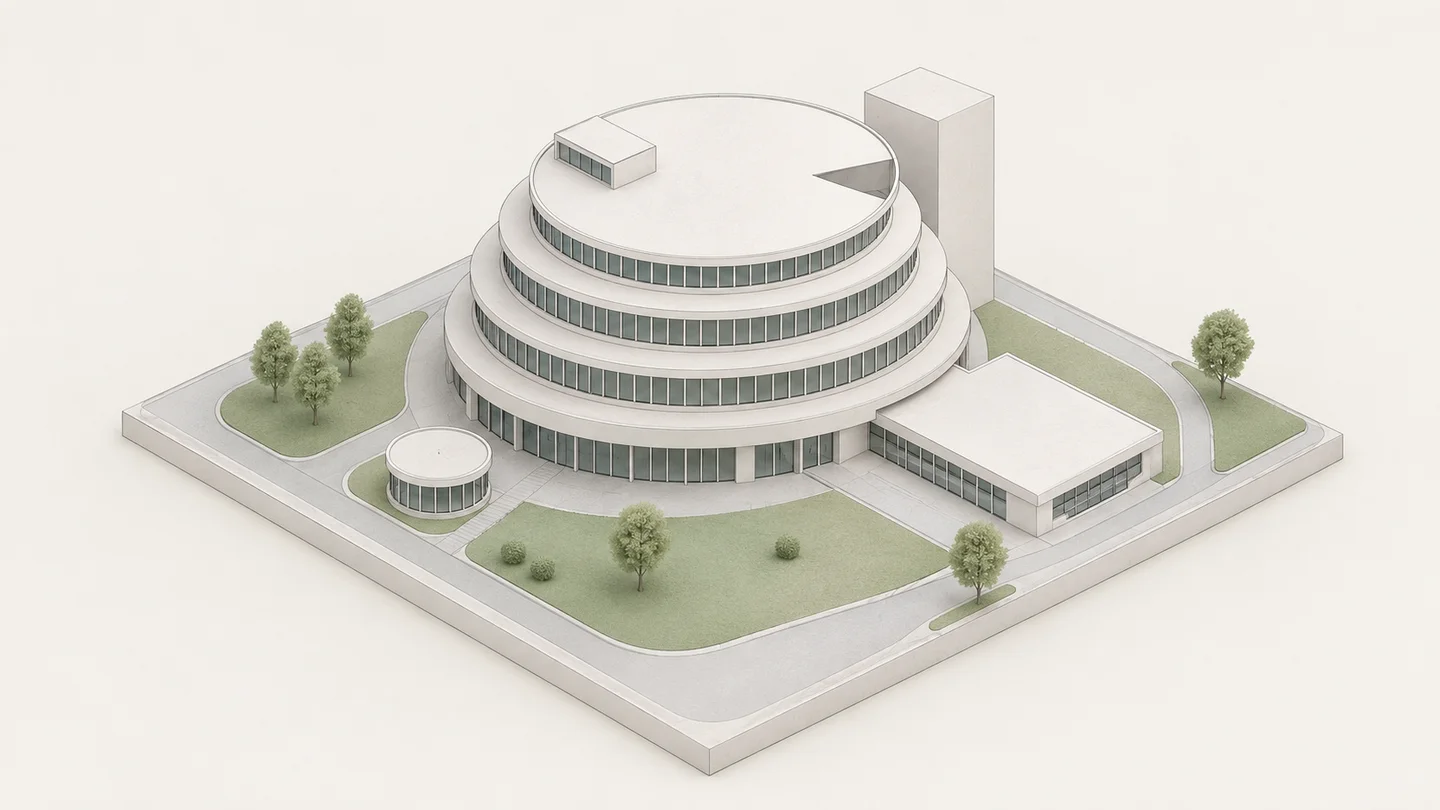
Separate concept renderings from documented project photos in your reference collection. Embedded information can help organize files but does not prove a building exists.
Swipe to explore related tools
Your file stays on this device. Return to the tool to choose it and review the result.
Choose a file