See movement in one image
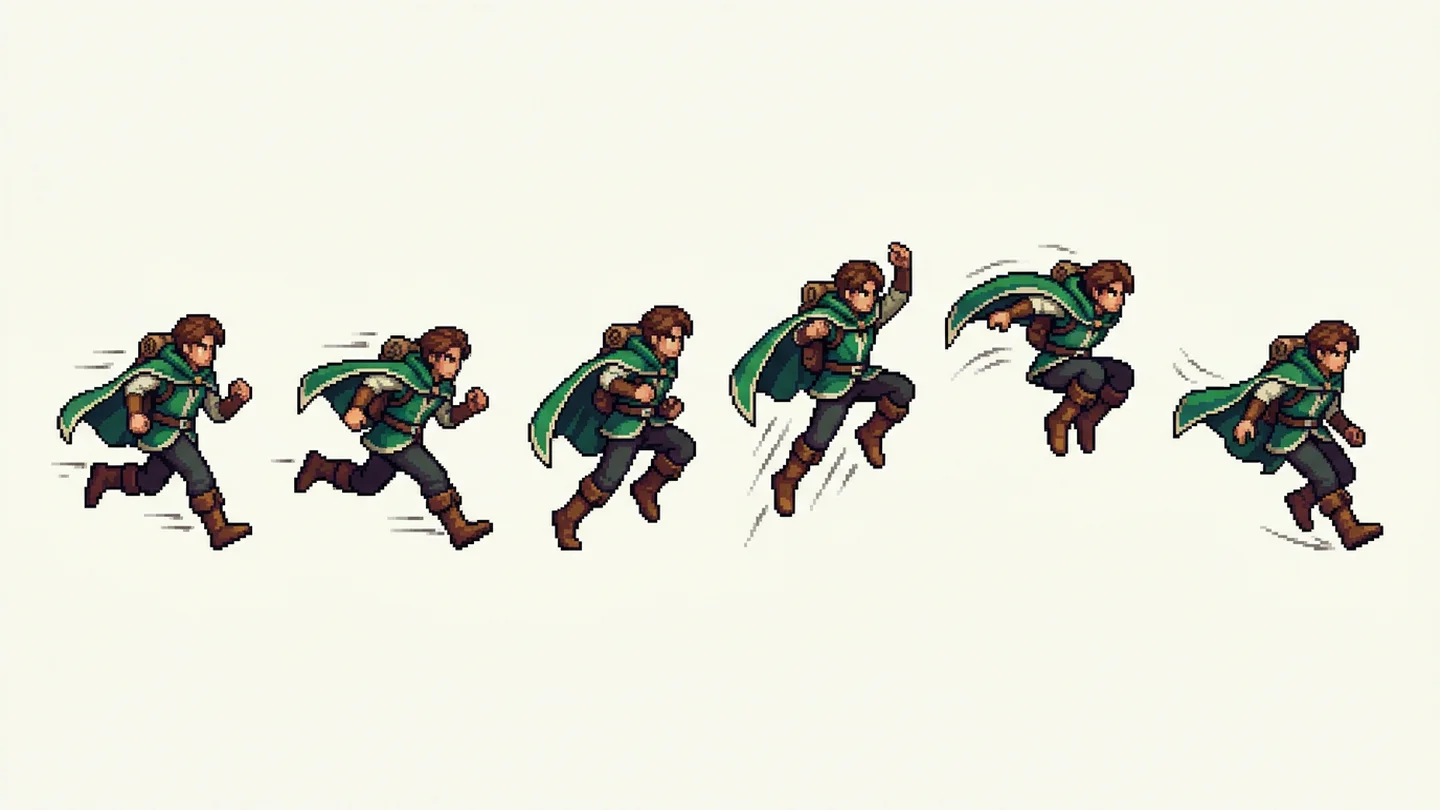
Describe a character and action, then generate a sprite sheet with GPT Image 2.5 Sunburst. Inspect poses, costume and spacing together before animating. The illustrated sequence shows a concept, not a tested engine asset.
Turn a character concept or game brief into a structured 2D sprite sheet for walk cycles, directional movement, actions, and game assets.
Concept sprite sheet for visual prototyping—not a transparent PNG atlas, packed spritesheet JSON, or engine-ready animation file. Grid slicing, frame timing, transparency, and collision boxes require manual game engine setup.
Add a prompt, choose supported settings, and keep the result connected to this page.
Your next generation will appear here with its status and recovery actions.
Loading older results…
Name the character, perspective, and animation action, or provide an authorized reference image.
Choose pixel art or illustrated style, request sequential frames, and use GPT Image 2.5 Sunburst.
Generate on this page, verify frame-to-frame proportions, then download the sheet for game engine setup.
Describe a character and action, then generate a sprite sheet with GPT Image 2.5 Sunburst. Inspect poses, costume and spacing together before animating. The illustrated sequence shows a concept, not a tested engine asset.
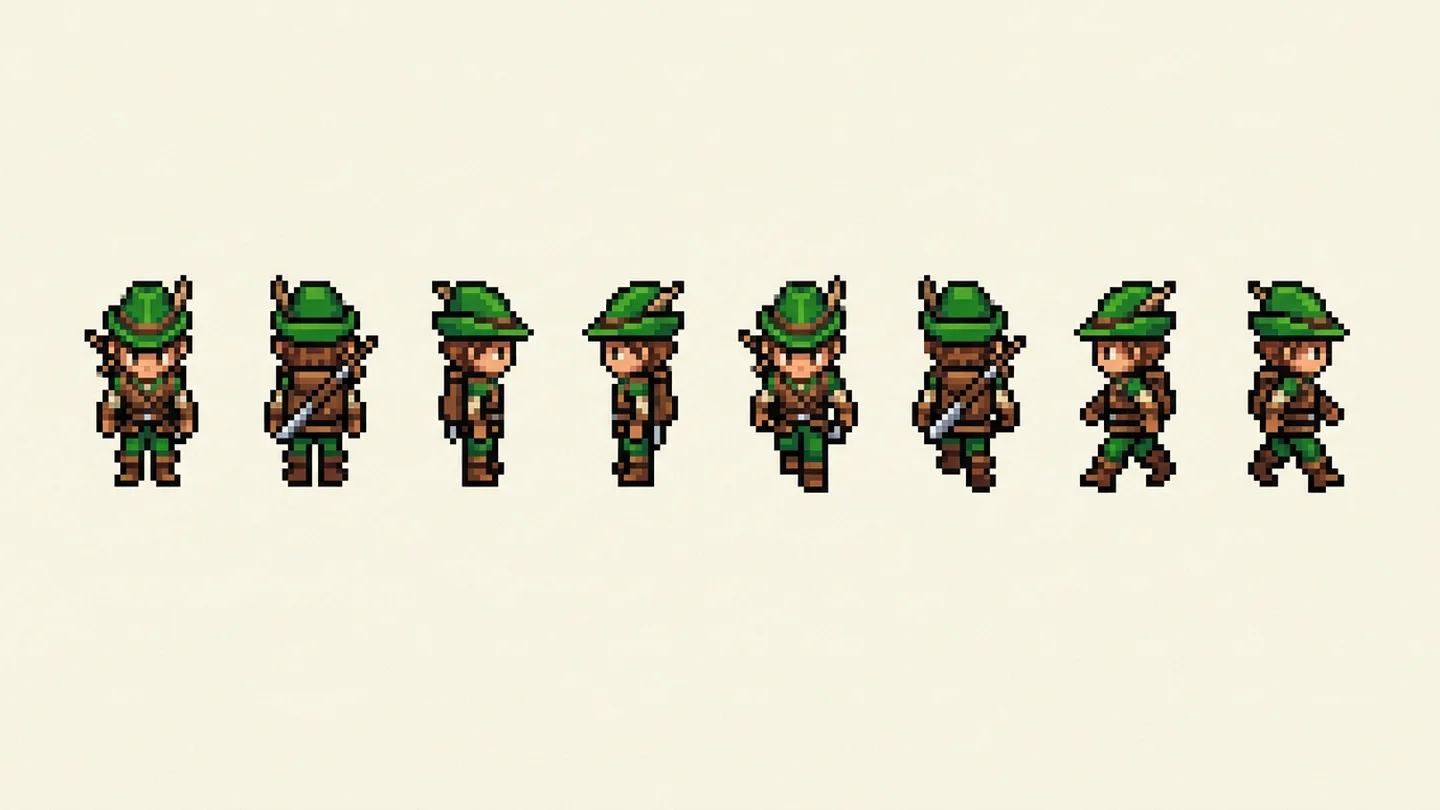
Request side views, directional poses or a pixel-art look using text and optional references. This page uses GPT Image 2.5 Sunburst with adjustable ratio and quality. It returns a raster concept; exact grids and matching frames need review.
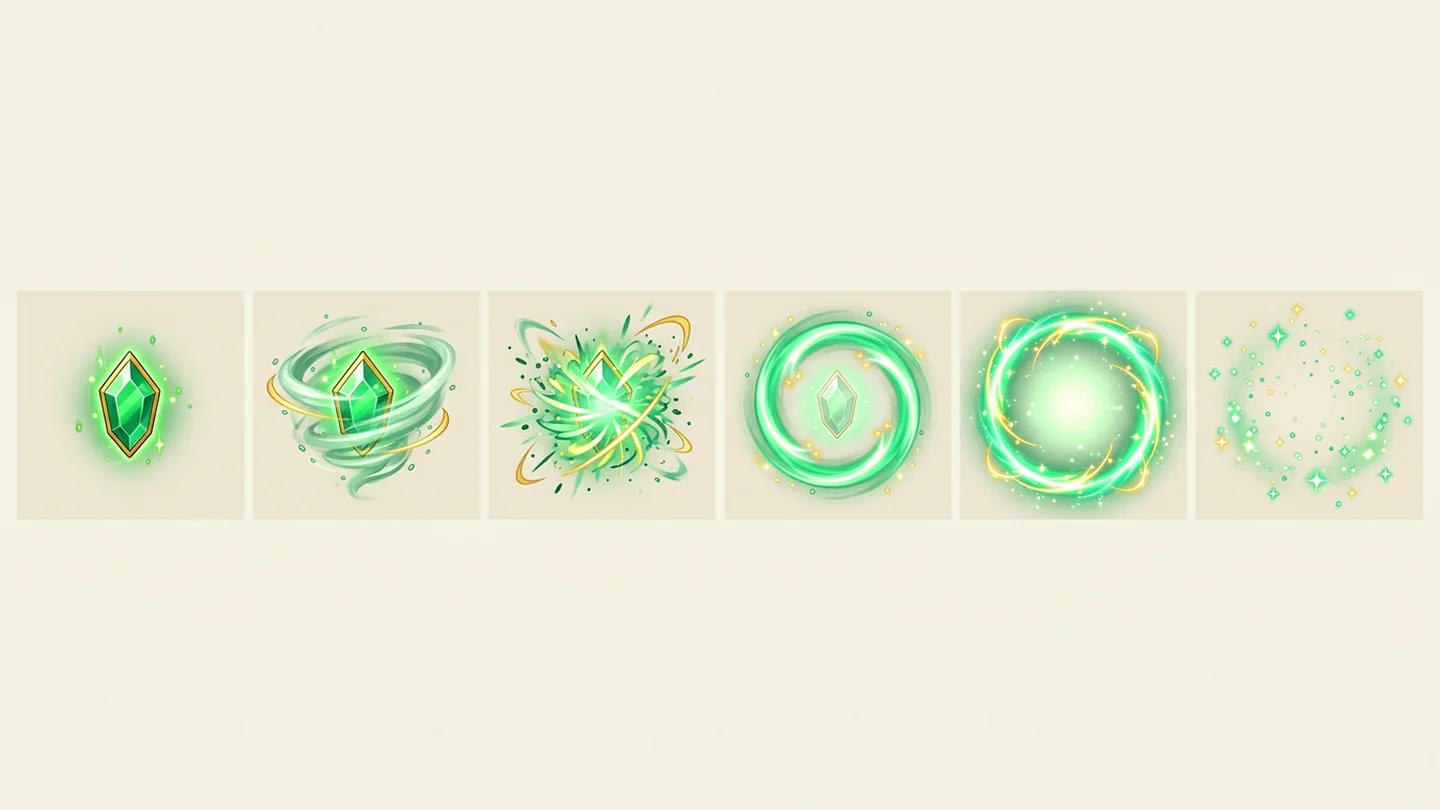
Use a sheet to discuss a spell burst, attack or movement idea for a game prototype. The illustrated crystal effect shows a sequence from buildup to dispersal. Check continuity and silhouette before spending time on production cleanup.
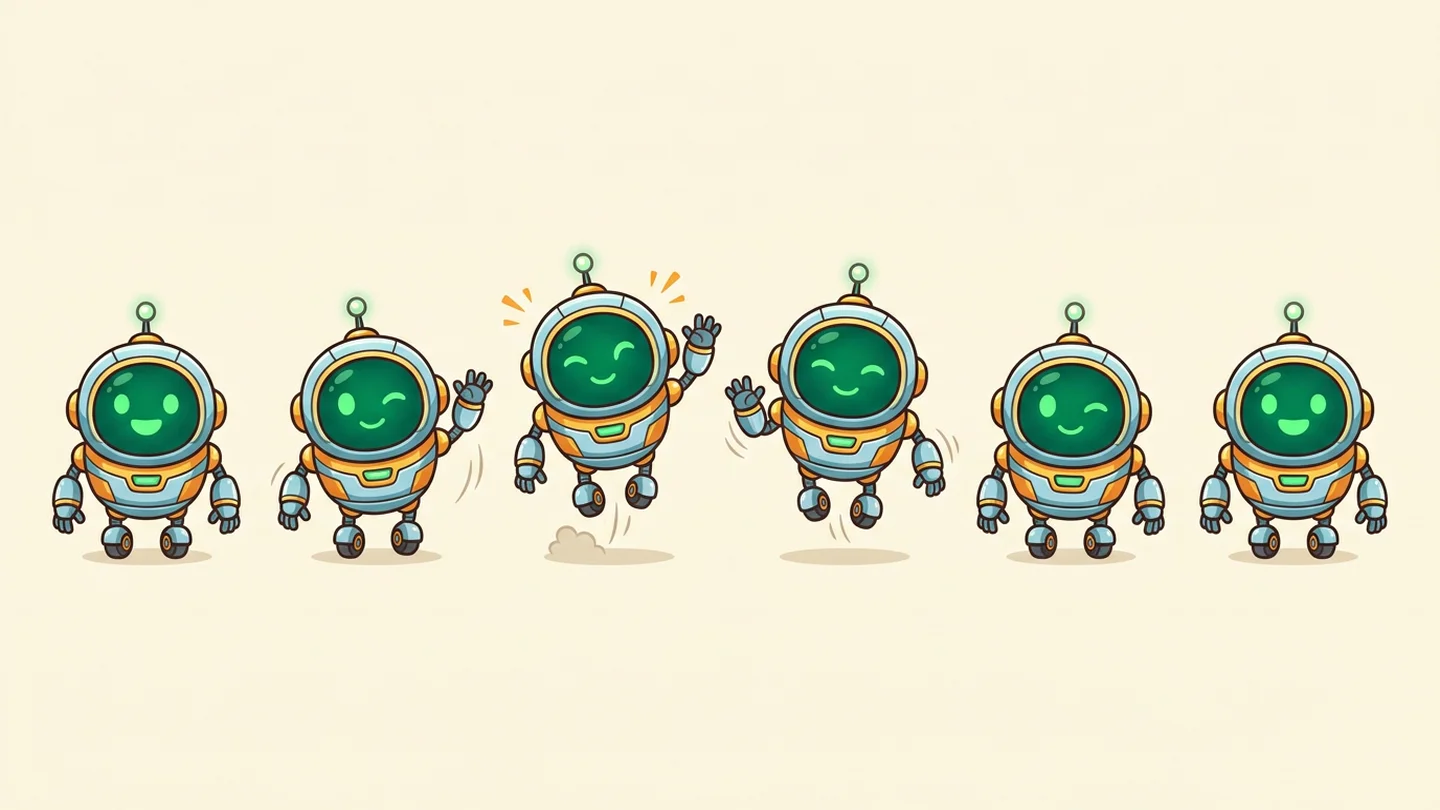
Describe each key pose, generate, then compare the frames before downloading. Remove the background, align cells and set timing in your editor or engine. The mascot illustration suggests an idle loop; it is not an exported animation.
Swipe to explore related tools
Inputs, limits, model choice, privacy, and review guidance before you start.
It creates one concept sprite sheet image with sequential animation frames or directional poses arranged on a plain background. It is a visual prototyping aid, not a packed sprite atlas JSON or ready-to-use game engine asset.
No. The generator produces a high-quality raster image on a solid background. You can key out the solid background color in an image editor or engine importer (such as Unity, Godot, or Unreal Engine) and slice the grid cells.
Yes. Specify 16-bit or retro pixel art in your prompt or use the Walk Cycle starter. Review the generated frames for proportion and palette changes; consistency is not guaranteed.
Yes. You can upload an authorized character portrait or design sheet to anchor the character face, costume, and palette across the animation sequence.
Import the image, open the Sprite Editor or SpriteFrames panel, use the grid slice tool (specifying cell width and height), and set the filtering mode to Nearest/Point if you are using pixel art.
Yes. Request front, back, left, and right walking or idle poses on a single sheet to prototype top-down RPG character movement.
This page uses GPT Image 2.5 Sunburst. You can adjust supported aspect ratios and quality; the current credit cost is shown before generation. Signed-in results are saved to this page history.
Yes, subject to SugarCube terms of service. Use references you have permission to use and review the output for third-party rights before publication.
Return to the workspace controls and choose the keyframes that fit your game.
Return to the tool