Develop a collectible package
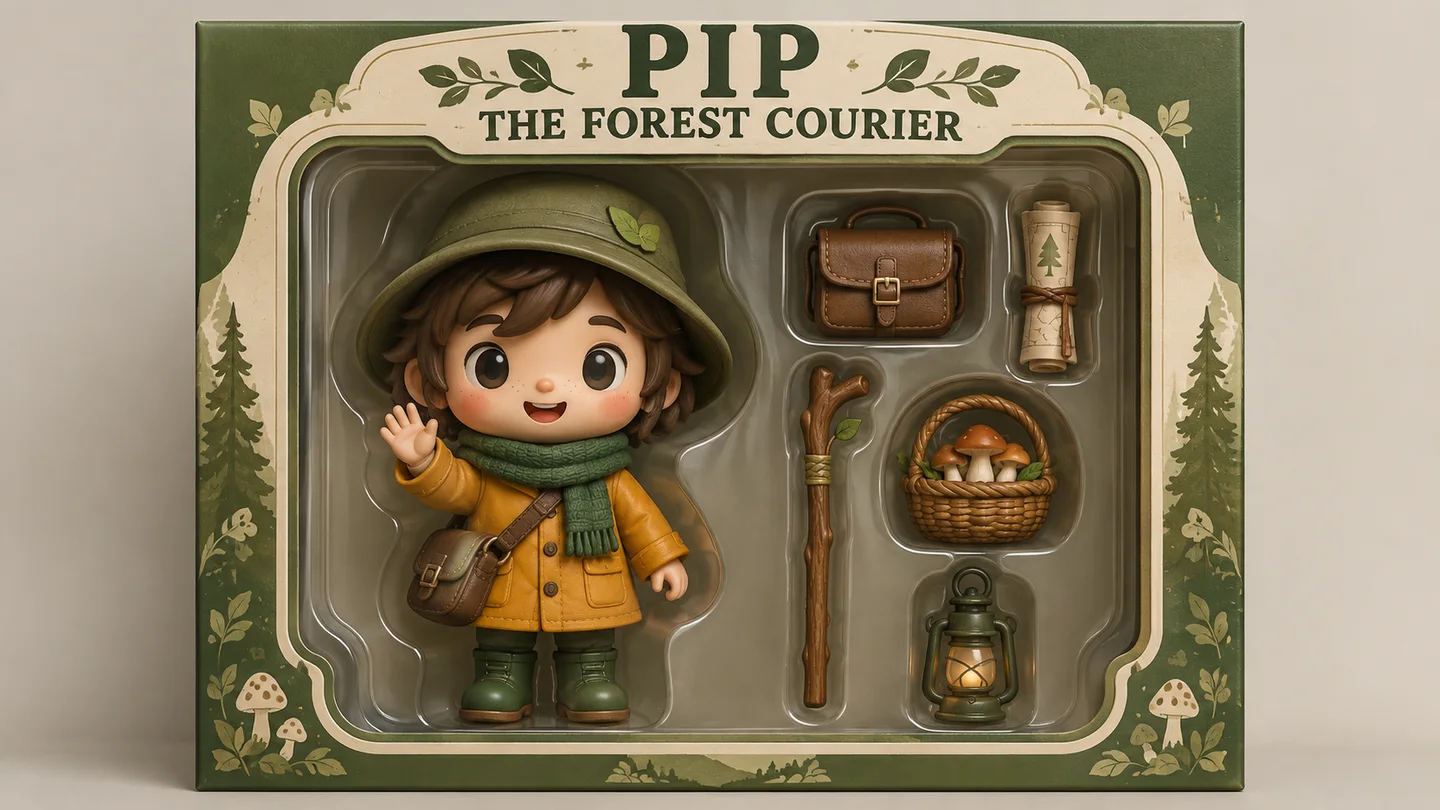
Brief a forest-courier toy box with a character, accessories and a clear title. Explore how the pieces share the package, then check the wording and leave production measurements to the packaging file.
Start with GPT Image 2.5 Flare at 40 credits per image, or choose Sunburst for more precise visual work. Write a prompt, optionally add references, and click Create to start in Studio; sign in first if needed.
Write the subject, setting and important details. Add references when useful.
Check the model, ratio, quality and credit cost. Generate carries your brief to Studio; sign in if asked.
Follow progress in Studio. Check text and details, then download.
Brief a forest-courier toy box with a character, accessories and a clear title. Explore how the pieces share the package, then check the wording and leave production measurements to the packaging file.

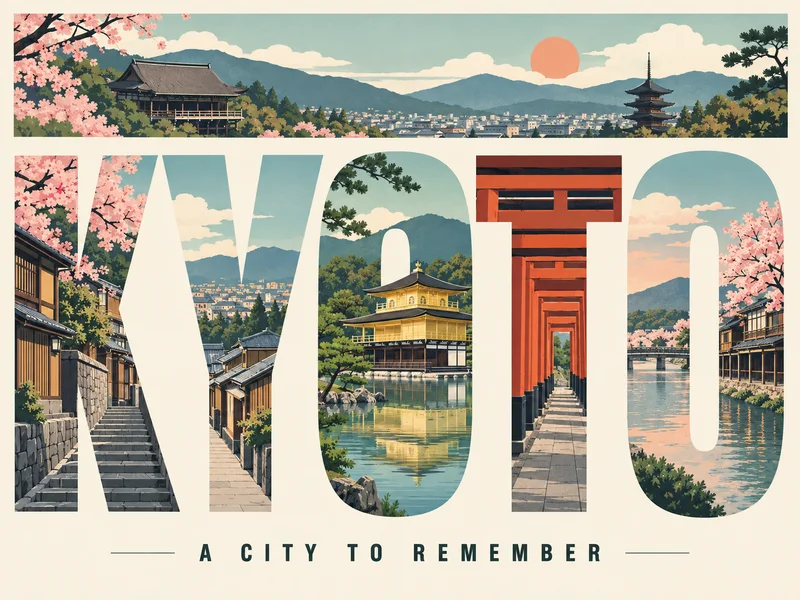
Make TOKYO the visual anchor and describe a city scene inside each letter. This creates a direction for a travel campaign; check spelling, landmarks and readability at the final display size.
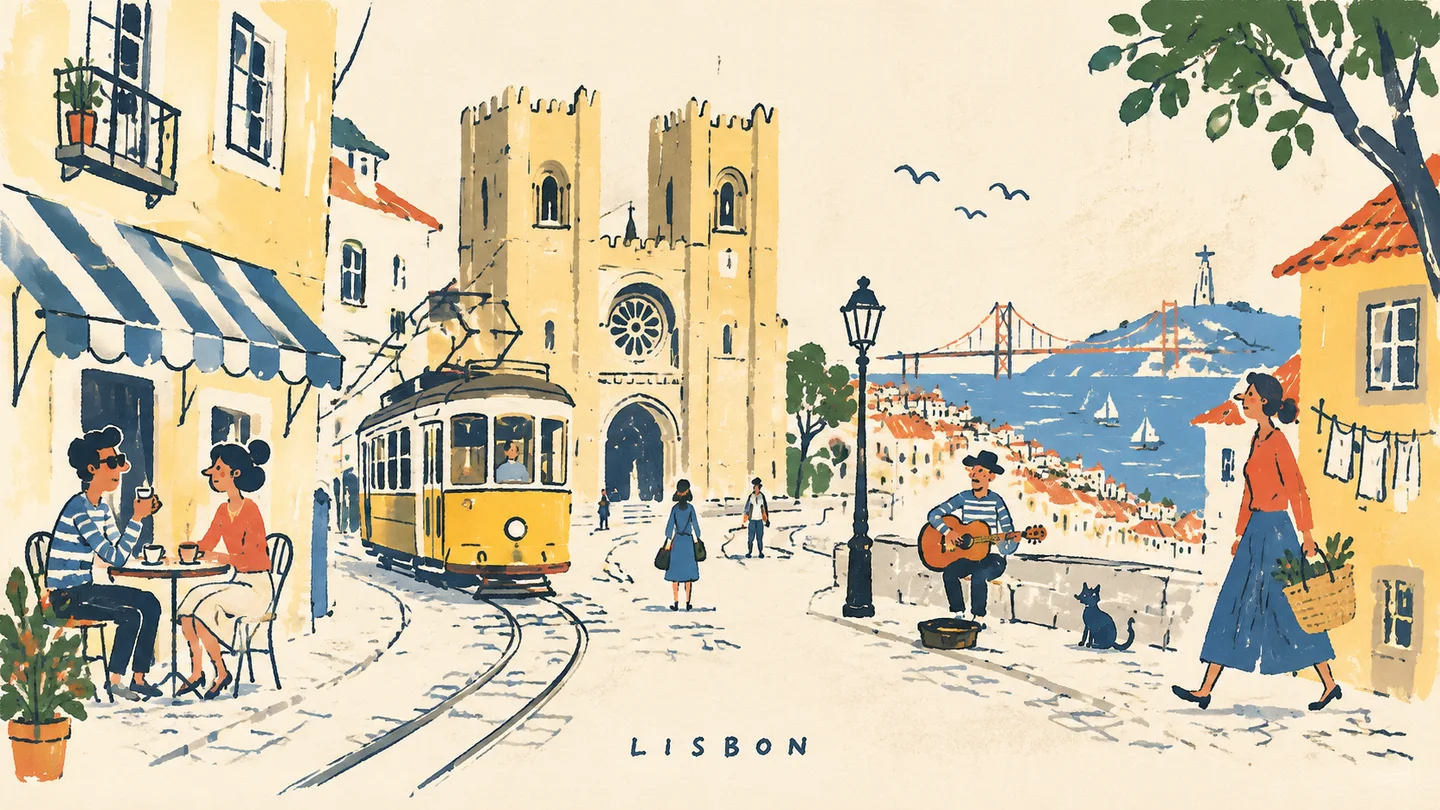
Describe a Lisbon picture-book spread with one main landmark and small everyday details. Specify the mood and drawing style so the image supports a story rather than becoming a crowded sightseeing collage.
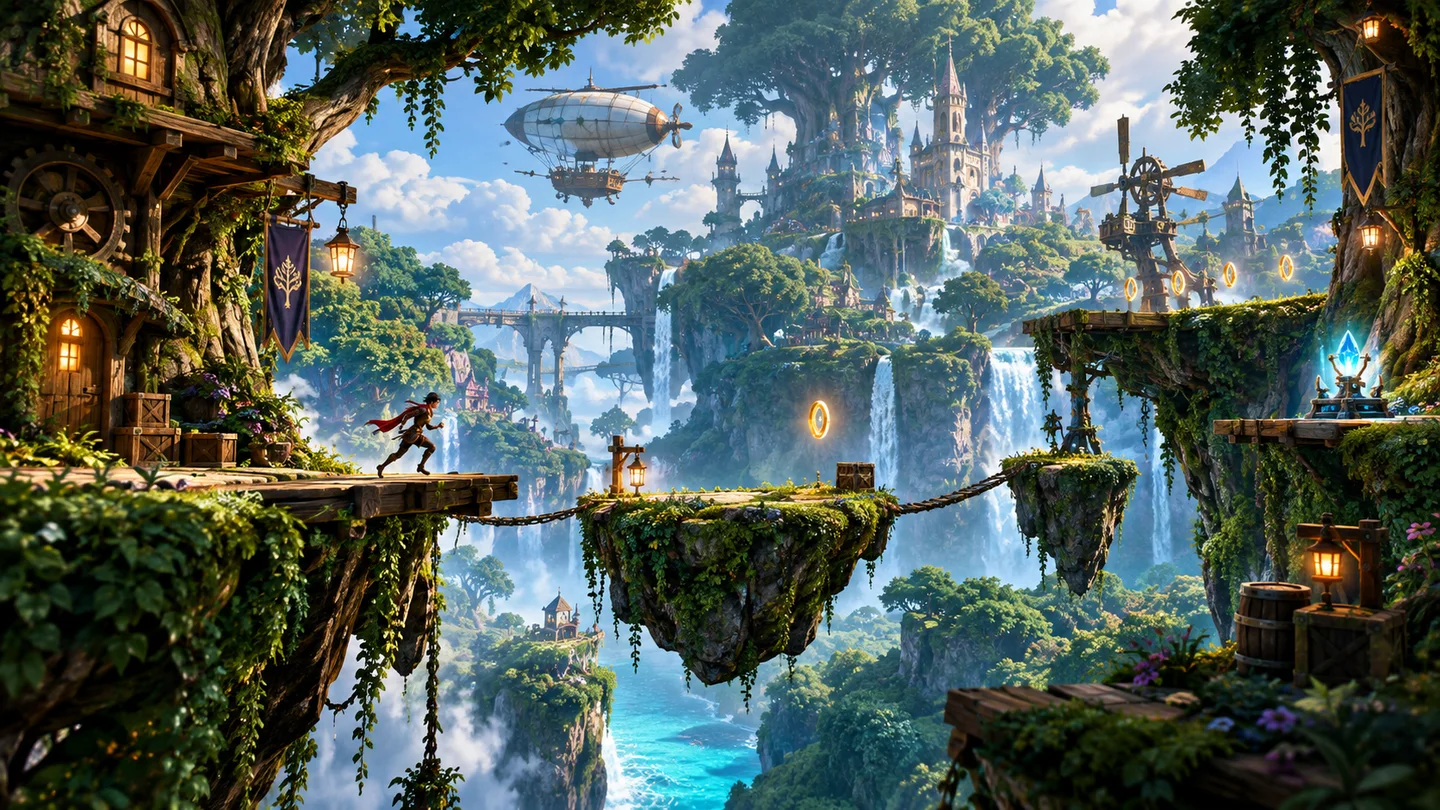
Describe a fantasy-forest level with paths, platforms and a clear route through the scene. Use the image for an art-direction discussion, then test gameplay scale and traversal in the game engine.
Swipe to explore related tools
Inputs, supported controls, credit cost, privacy, and recovery—before you start.
GPT Image 2.5 is OpenAI’s image model family for generating and editing images. SugarCube offers Flare and Sunburst with text prompts, optional references and 1K, 2K or 4K output tiers. OpenAI-labelled options provide the larger reference and prompt allowances.
OpenAI positions Flare for general-purpose creative work and faster iteration, and Sunburst for extra precision with longer generation times. Both support generation and reference-led editing here. The parenthetical OpenAI label identifies the higher-input SugarCube integration with different limits and credit prices.
The OpenAI label identifies SugarCube options supporting up to 16 references and 20,000 prompt characters, compared with 8 references and 5,000 characters for the 40-credit options. Both Flare and Sunburst are available with either input allowance, and all options support text-to-image and reference-led editing.
The 40-credit Flare and Sunburst options keep the same price at 1K, 2K or 4K. OpenAI-labelled options cost 50, 80 or 130 credits respectively. Check the selected option’s displayed price before creating. Failed generations are refunded automatically; successful images still use credits even if you prefer another variation.
Yes. The 40-credit options support up to 8 JPG, PNG or WebP references and prompts up to 5,000 characters; OpenAI-labelled options support 16 references and 20,000 characters. Explain each reference’s role and the details to preserve. Inputs stay in this browser until Studio starts processing.
It can generate images with text, but spelling, dates and small characters still require review. Supply exact short wording, clear hierarchy and generous spacing. For publication-critical copy, finish text in a design editor.
GPT Image 2.5 uses SugarCube credits. A trial for another model does not imply a free GPT Image 2.5 generation. Check your available balance and the displayed cost before creating; subscriptions and permanent credit top-ups are listed on the pricing page.
Prepare your prompt and references here, then click Create. SugarCube Studio starts generation automatically after sign-in and input readiness, and shows progress and results. Completed images are available to their authenticated owner for download and further refinement.
Return to the generator, describe your idea and check the available settings before continuing in Studio.
Back to generator