Enlarge an illustrated avatar
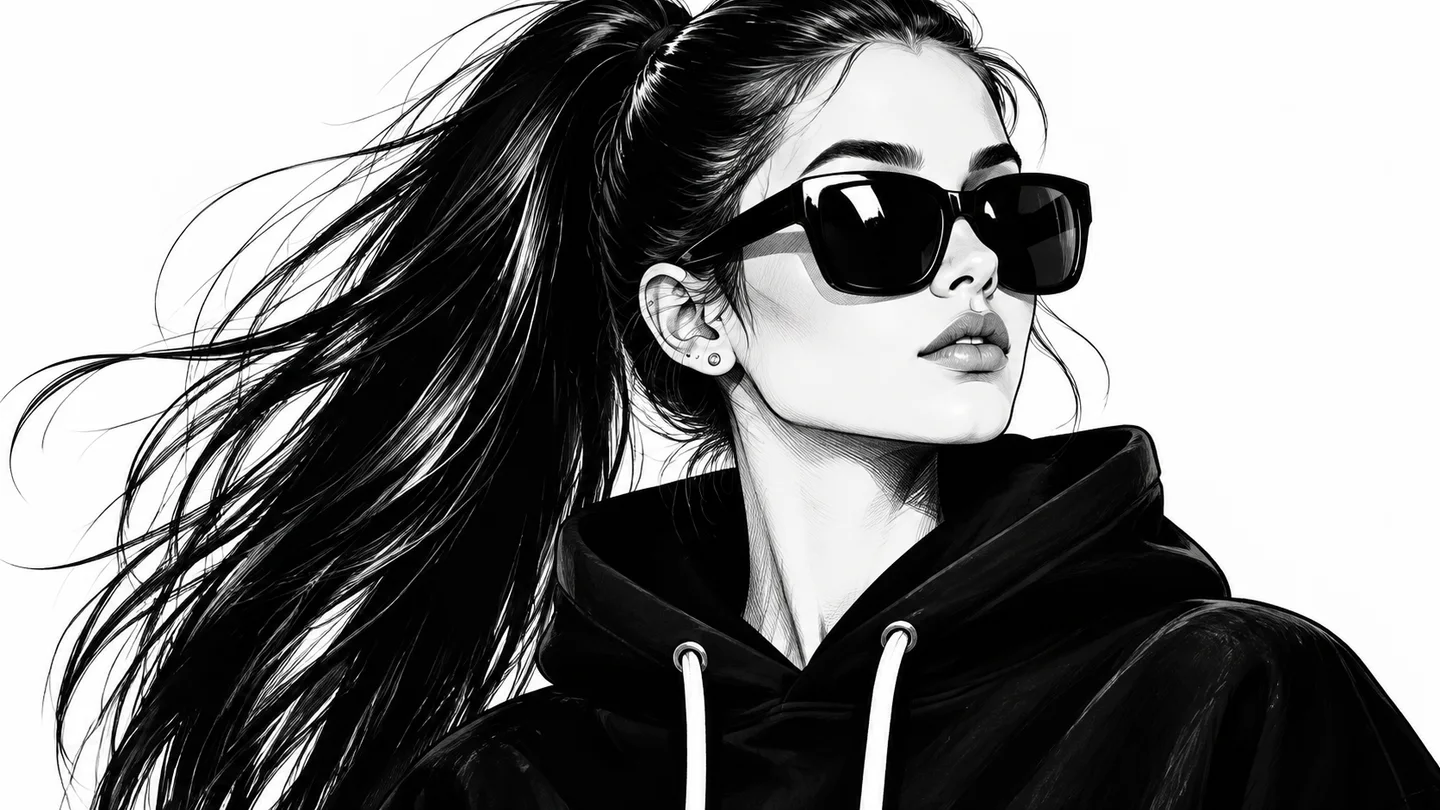
Try a larger version of an older line-art avatar for a profile layout. Check hair lines and facial contours rather than assuming new detail is original.
Enlarge one small JPG, PNG, or WebP on this device with an open-source 2× AI model. Review the result closely: generated detail can change the source.
Files stay in your browser. SugarCube does not receive or store them.
JPG, PNG, or WebP · up to 8 MB · 2 megapixels · 2,048 px longest edge
Drop one image here
or choose a JPG, PNG, or WebP from this device
Fixed local setting: 2× AI upscale
Choose a file to see its dimensions and prepare your output.
Check the visible detail and actual file size. Your original stays unchanged.
Choose a small image within the displayed limits. It stays on this device.
Start the fixed 2× enlargement and keep the page open.
Compare faces, letters and lines, then download; added details can be inaccurate.

A 160 × 90 test image, downsampled from the illustration, was processed with the bundled UpscalerJS model. The 320 × 180 output adds pixels; it is not proof that lost details were recovered.
Try a larger version of an older line-art avatar for a profile layout. Check hair lines and facial contours rather than assuming new detail is original.

Enlarge a flower-shop picture-book image for a print-layout preview. Inspect pencil edges and paper texture; check final print dimensions separately.
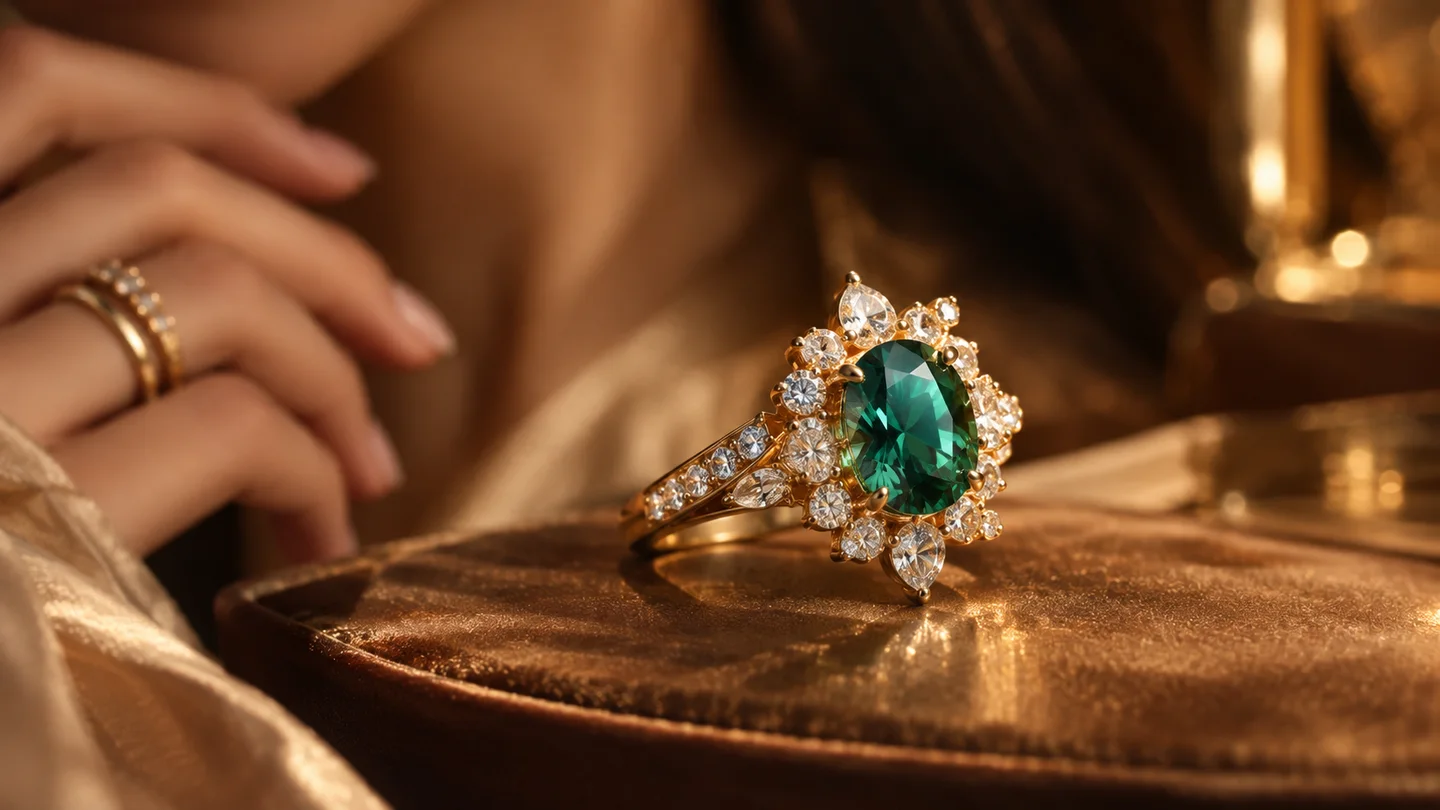
Make a jewelry crop larger for a design discussion. Compare metal edges and gem texture with the source; the output cannot reveal previously unrecorded product facts.
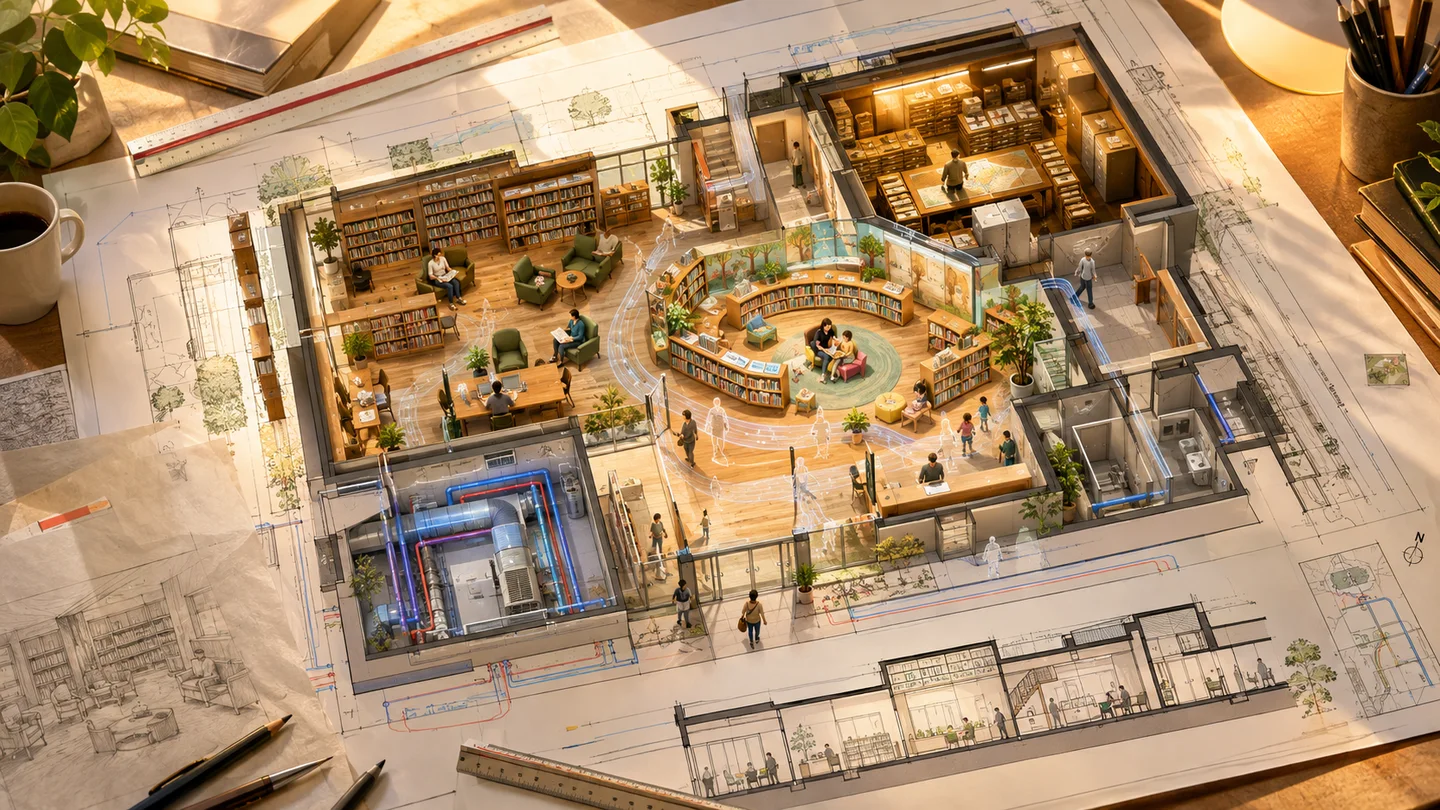
Enlarge a small concept-board image for a presentation. Check window grids and line work before discussing it; the result is not a measured technical drawing.
Swipe to explore related tools
Yes. This page is free to use, does not require an account, and uses zero SugarCube credits.
No. The selected file and result stay in your browser. The page does not submit the image to SugarCube or create a server-side history.
It runs a fixed 2× AI upscale. The actual output dimensions are shown after the browser finishes processing the image.
No. The model can invent or change details, including text, faces, and thin lines. It is not suitable for forensic, identity, document, or medical restoration.
This tool accepts one JPG, PNG, or WebP image up to 8 MB, 2 megapixels, and a 2,048 px longest edge. It does not accept SVG, remote URLs, folders, or batches.
The local 2× model uses a fixed processing recipe. It returns a browser-generated PNG or JPEG when supported; transparent input defaults to PNG when that output is available. Review the observed MIME type and preview because browser support can differ.
Your file stays on this device. Return to the tool to choose it and review the result.
Choose a file